

What Is the First Trimester?
The first trimester of pregnancy spans from week 1 to week 12, beginning from the first day of your last menstrual period (LMP). It marks the earliest and one of the most critical phases of pregnancy, filled with rapid changes in your body and your baby’s development.
Conception typically occurs around week 2, not 3. Ovulation and fertilization usually occur about 14 days after the LMP (in a regular 28-day cycle)., the countdown begins from your LMP because pinpointing the exact day of fertilization is often difficult. During this trimester, the fertilized egg implants in the uterus, the placenta starts forming, and essential organs like the brain, heart, and spinal cord begin to develop.
By the end of the first trimester, your baby—now officially a fetus—is about 2.5 to 3 inches long, with clearly visible fingers, toes, and a beating heart. Internally, the foundational systems such as the nervous, digestive, and circulatory systems are all developing rapidly.
On your end, this period may bring early pregnancy symptoms like fatigue, nausea, mood swings, and tender breasts, often triggered by rising levels of hormones like hCG and progesterone.
The first trimester is also when the risk of miscarriage is highest, which is why proper prenatal care, lifestyle adjustments, and medical screenings are essential during this phase.
Understanding what to expect in these crucial 12 weeks can help you manage both the excitement and the challenges of early pregnancy with more confidence.
Learn more about our Pregnancy Care Services tailored for modern mothers.
Early Pregnancy Symptoms & Signs
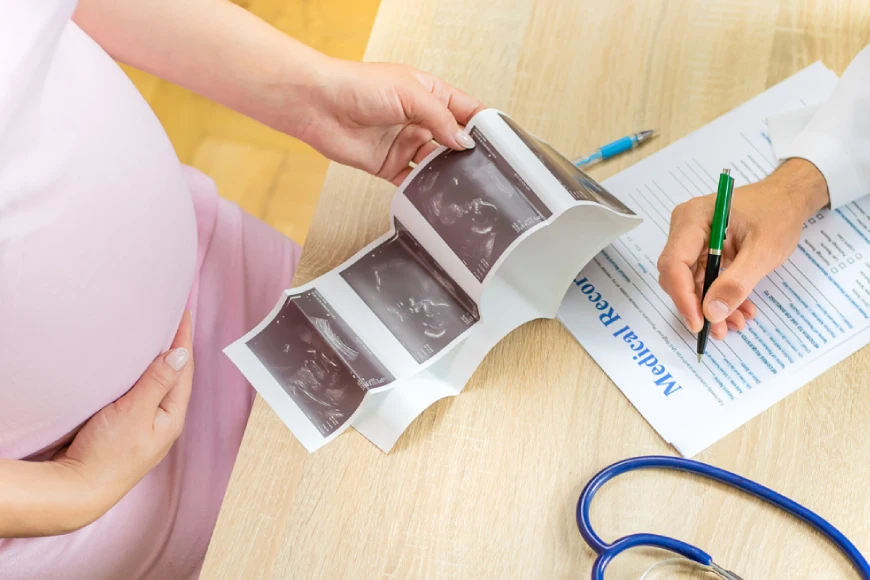
During the first trimester, many women begin to notice subtle or significant early pregnancy symptoms. These signs are usually the first indication that a new life is developing, often occurring even before a missed period.
Most Common Early Symptoms:
- Missed Period: Often the earliest and most obvious sign.
- Nausea or Morning Sickness: Affects up to 80% of women, usually starting around week 6.
- Breast Changes: Tenderness, swelling, or darkening of the areola.
- Frequent Urination: Caused by hormonal changes and increased blood flow to the kidneys.
- Fatigue: One of the most reported symptoms, driven by rising progesterone levels.
- Bloating & Constipation: Hormones relax your digestive tract, slowing down processes.
- Mood Swings: Increased emotional sensitivity is common in early pregnancy.
- Food Cravings or Aversions: Sudden shifts in taste or smell sensitivity may occur.
Less Common Symptoms:
- Light spotting or implantation bleeding (around week 4).
- Mild cramping, similar to period pain.
- Headaches or dizziness due to hormonal shifts and lower blood sugar.
These symptoms vary in intensity and duration for each woman. Some experience all of them, while others feel only a few.
When to Contact Your Doctor:
Seek medical attention if you experience:
- Severe abdominal pain
- Heavy bleeding
- High fever or chills
- Painful urination
- Extreme or persistent vomiting (hyperemesis gravidarum)
Recognizing and understanding these first trimester symptoms is crucial for early prenatal care. Keeping a symptom diary and staying hydrated, rested, and informed will help you manage your pregnancy more comfortably and confidently.
Baby’s Growth & Development
The first trimester marks a period of rapid and remarkable fetal development. What begins as a tiny fertilized egg transforms into a fetus with functioning organs, limbs, and a heartbeat—all within just 12 weeks.
Weeks 1–4: Fertilization and Implantation
After ovulation and fertilization, the fertilized egg travels down the fallopian tube and implants in the uterine lining. Around this time, the placenta starts to form, which will nourish the baby throughout pregnancy. The embryo consists of just a few hundred cells but is already beginning to form the neural tube (which later becomes the brain and spinal cord).
Weeks 5–8: Vital Organs Begin to Develop
- The heart starts to beat around week 5 and can often be seen on an ultrasound by week 6.
- Limb buds develop into arms and legs.
- The brain, spinal cord, liver, and other major organs begin to form.
- Facial features like eyes, ears, and nostrils start taking shape.
By week 8, the embryo is roughly the size of a kidney bean.
Weeks 9–12: Transition to Fetus
- The embryo is now officially termed a fetus.
- All major organs are present and continue developing.
- Fingers and toes separate, and bones begin to harden.
- The baby can make small movements, though they won’t be felt yet.
- By week 12, the fetus is about 3 inches long and weighs nearly 1 ounce.
Your baby’s first trimester development sets the foundation for the months ahead. Attending prenatal visits, taking prenatal vitamins, and following your doctor’s recommendations are key to supporting healthy growth.
Your Changing Body: Health & Care
The first trimester of pregnancy brings noticeable and sometimes overwhelming changes to your body. These changes are driven by a surge of hormones like hCG, progesterone, and estrogen, which support your baby’s development while preparing your body for the months ahead.
Physical Changes You May Notice:
- Fatigue: Your body is working overtime to support new life. Increased progesterone often causes drowsiness.
- Nausea and Vomiting: Commonly called morning sickness, it can strike any time of day. It’s typically most intense between weeks 6 and 10.
- Tender Breasts: Hormones enlarge milk ducts and increase blood flow to the chest.
- Bloating and Constipation: Progesterone slows digestion, which can cause stomach discomfort.
- Frequent Urination: Your kidneys are filtering more blood, and your uterus begins pressing against your bladder.
Essential First Trimester Health Tips:
- Take Prenatal Vitamins Daily
Include folic acid, iron, and calcium. Folic acid helps prevent neural tube defects in early development. - Stay Hydrated and Eat Nutritiously
Focus on small, frequent meals with a balance of lean proteins, whole grains, fruits, and vegetables. - Exercise Safely
Walking, swimming, and prenatal yoga are ideal low-impact options. Aim for 150 minutes of activity per week unless advised otherwise. - Get Enough Rest
Prioritize sleep and short naps. It’s your body’s natural way of coping with the energy demand. - Limit Exposure to Harmful Substances
Avoid smoking, alcohol, raw seafood, unpasteurized dairy, and certain medications not approved by your doctor.
Understanding how your body changes and how to care for it ensures a smoother first trimester experience. Always consult your healthcare provider before starting any new health routine or supplement.
First Trimester To-Dos & Safety Tips

Navigating your first trimester successfully involves preparation, healthy choices, and awareness of safety precautions. Whether it’s scheduling checkups or adjusting your daily routine, these tips help ensure both you and your baby stay healthy.
First Trimester To-Do List:
- Schedule your first prenatal appointment (ideally before week 10)
- Begin a pregnancy journal to track symptoms, emotions, and doctor’s advice
- Start taking prenatal vitamins with folic acid, iron, and DHA
- Educate yourself with reliable resources or pregnancy apps
- Review your medical history and family health risks with your doctor
- Plan your budget and check insurance coverage for maternity care
- Discuss any medications, supplements, or chronic conditions with your doctor
- Inform your employer (if comfortable) and understand maternity benefits
Important Safety Tips:
- Avoid alcohol, smoking, and recreational drugs—they’re linked to birth defects and miscarriage
- Limit caffeine to under 200 mg per day (~1 cup of coffee)
- Avoid high-risk foods like raw eggs, unpasteurized dairy, and undercooked meats
- Don’t use hot tubs, saunas, or electric blankets—excessive heat can harm the fetus
- Exercise safely—avoid contact sports, high-impact workouts, or anything that risks falling
- Avoid harsh cleaning chemicals, paint fumes, and strong pesticides
- Wear seatbelts correctly—strap below your belly, across the hips
Always listen to your body—dizziness, bleeding, fever, or severe pain warrant an immediate call to your doctor. Staying proactive during this time helps you build a strong foundation for a healthy pregnancy journey.
First Trimester: Week-by-Week Summary
Tracking your week-by-week pregnancy progress during the first trimester helps you stay informed and prepared for key milestones. While every pregnancy is unique, here’s a general overview of what happens each week—both for your baby and your body.
Week-by-Week Breakdown:
| Week | Baby’s Development | What You May Feel |
|---|---|---|
| Week 1–2 | Technically not pregnant yet; body prepares for ovulation and fertilization | No symptoms yet |
| Week 3–4 | Fertilization and implantation; hormone hCG begins to rise | Light spotting, very mild cramps |
| Week 5 | Heart starts beating; brain, spinal cord begin forming | Missed period, fatigue, nausea may begin |
| Week 6–7 | Facial features, arm/leg buds develop | Morning sickness, breast tenderness, frequent urination |
| Week 8–9 | Fetal movement starts (not yet felt); major organs continue forming | Mood swings, food aversions, bloating |
| Week 10–11 | Fingers, toes, eyelids form; baby begins swallowing fluid | Slight weight gain, rounder belly, reduced nausea |
| Week 12 | Baby is fully formed, 2.5–3 inches long | First ultrasound may be done, risk of miscarriage drops significantly |

Highlights:
- Your baby goes from a poppy seed to the size of a lime
- A heartbeat can often be heard between weeks 6–8
- Facial features and limbs are visible by week 12
- Most major organ systems are formed by the end of this trimester
This timeline offers a quick way to monitor development, identify symptoms, and prepare for appointments. Keep it handy in your pregnancy journal or planner.
Infographics & Visual Aids
During the first trimester of pregnancy, so many changes are happening that it can feel overwhelming to keep up. That’s where infographics and visual aids play an important role. They simplify medical information into clear visuals that are easy to reference, helping you and your loved ones stay informed and confident throughout your pregnancy journey.should also stop smoking and drinking alcohol if you haven’t already, and limit your caffeine intake. These changes are crucial for ensuring the healthiest pregnancy possible.
Your emotional and mental well-being is just as important as physical health. Many expecting mothers feel anxious or stressed during this time. Gentle exercise, meditation, and enough rest can help alleviate some of these feelings. Always communicate with your doctor about any discomfort or concerns for better prenatal care.
First Trimester Checklist:
- Book your first pregnancy consultation
- Start taking prenatal vitamins with folic acid
- Follow a healthy, nutrient-rich diet
- Get enough sleep and reduce stress
- Avoid harmful substances like tobacco and alcohol
- Schedule your first scan (usually at 6-8 weeks)
- Discuss your medical history with your doctor
Starting with solid pregnancy care in these early months sets a strong foundation for the rest of your journey. Stay informed, follow your doctor’s advice, and enjoy this special time with peace of mind.
“A healthy start leads to a happy journey—take care from the first step.”
Second Trimester Pregnancy Guide and Monthly Checklist Month 4 to 6
The second trimester is often considered the most comfortable part of the pregnancy journey. Spanning from month 4 to 6, this phase brings more energy, reduced morning sickness, and noticeable growth in the baby bump. It’s also when the baby’s movements may begin to be felt, making the experience even more real and joyful.
As your body changes, the baby also goes through major development milestones—organs start functioning, bones become stronger, and facial features take shape. This makes prenatal care especially important during this phase.
Your doctor may recommend important tests like the anomaly scan around 18–20 weeks to assess the baby’s development. Regular checkups will monitor blood pressure, weight, and fetal heartbeat. These tests play a vital role in guiding maternity care decisions.
Along with medical checkups, focus on healthy eating. Iron, calcium, and protein should be a part of your daily meals. Drink enough water, eat fresh fruits and vegetables, and avoid spicy or fried foods that might cause acidity. Small, frequent meals are helpful. Mild exercises and prenatal yoga, if approved by your doctor, can also improve flexibility and boost mood.
Many pregnancy tips during this stage revolve around handling physical discomforts like back pain, leg cramps, and constipation. Wearing comfortable clothes, avoiding long standing hours, and sleeping on your side can help ease these issues.

Third Trimester Pregnancy Tips and Final Checklist Month 7 to 9
The third trimester marks the final stretch of your beautiful pregnancy journey. Spanning from month 7 to 9, this is the time when both excitement and preparation reach their peak. Your baby is rapidly gaining weight, and your body continues to change as it gets ready for birth.
During these months, expecting mothers should focus on staying calm, organized, and informed. One of the key aspects of this stage is preparing for labor and delivery. Talk to your doctor about your birth plan, including preferences like pain relief methods, delivery options, and hospital stay details. These conversations help you feel confident and prepared.
Your baby’s position becomes crucial in this phase. Ideally, the baby turns head-down by the 8th month. Your doctor will monitor the position closely through regular checkups. Staying active with light walks and prenatal yoga can help with better positioning and comfort.
Keep an eye on your baby’s movements daily. A sudden drop in activity may need medical attention. Your doctor might suggest doing a kick count—feeling 10 movements in about two hours is usually a good sign.

एक स्वस्थ माँ ही एक स्वस्थ शुरुआत की कुंजी है।
Another important tip is to pack your hospital bag by the start of the 9th month. Include essentials like comfortable clothes, ID documents, toiletries, baby clothes, diapers, and any medical records. Keep the bag ready to avoid any last-minute stress.
General Prenatal Care Tips for Every Trimester
“We care for the woman, not just the womb“
No matter which stage of pregnancy you’re in, prenatal care is crucial for ensuring a smooth and healthy pregnancy. It supports both the mother and baby through regular monitoring, guidance, and early detection of any concerns. While each trimester brings its own set of changes, some basic routines are essential throughout the entire pregnancy journey.
First and foremost, never skip your regular checkups. These visits allow your doctor to monitor your baby’s heartbeat, growth, and overall health. They also help track important aspects like blood pressure, weight, and provide timely vaccinations and supplements. Frequent consultations not only help detect any potential issues early but also build trust and offer peace of mind for expecting mothers.
Your mental health is just as important as your physical health during pregnancy. Hormonal changes can often bring mood swings, anxiety, or fatigue. Having open conversations with a counselor or joining a support group can help manage these emotional shifts. Emotional well-being plays a vital role in complete pregnancy care and shouldn’t be overlooked.
Maintaining a balanced lifestyle is key to supporting healthy growth throughout pregnancy. Focus on eating nutrient-rich foods that are high in iron, calcium, protein, and fiber while avoiding junk and sugary items. Staying hydrated by drinking plenty of water is essential. Additionally, gentle activities like walking or prenatal yoga (with doctor approval) can improve circulation and ease physical discomfort.
Lastly, tracking your baby’s development helps strengthen your bond. From hearing your baby’s first heartbeat to feeling tiny kicks, staying aware of these changes brings excitement and joy. Consider using a pregnancy tracker or journal to follow these precious milestones.
By following these pregnancy tips and maintaining consistent maternity care, you can enjoy each stage of your pregnancy with confidence and comfort.
Pregnancy Checklist Summary Month by Month Overview

A healthy mom means a healthy beginning. Let every heartbeat count.
A well-planned monthly pregnancy checklist is essential for staying on track
Take the first step toward better health — book a wellness consultation online with Omma Health today!
Here are four essential visuals that can greatly enhance your understanding and preparation during the first trimester:
1. First Trimester Development Chart
A detailed week-by-week visual of how your baby grows from a microscopic embryo to a fully formed fetus by week 12. This chart includes comparisons by size (e.g., poppy seed to plum), outlines when vital organs like the brain, heart, and spinal cord begin to form, and shows fetal shape and development through each stage. It helps you visualize your baby’s progress day by day.
2. Symptom Timeline
This visual maps out common pregnancy symptoms—such as morning sickness, fatigue, breast tenderness, and cravings—against each week of the first trimester. It provides clarity on when symptoms typically begin, peak, and may ease, offering reassurance that what you’re feeling is part of a normal pattern.
3. Nutrition Plate Visual
This chart breaks down a healthy first-trimester diet using a balanced plate model. It highlights food groups like leafy greens, lean protein, whole grains, dairy or plant-based alternatives, and omega-3 sources. A great guide for meal planning and understanding nutritional priorities during early pregnancy.
4. Safety Do’s & Don’ts Infographic
A visual safety checklist outlining what’s safe and what to avoid during the first trimester. It includes reminders for prenatal vitamins, safe exercises, medical checkups, and cautions against high-risk behaviors like alcohol, raw foods, and overheating.
These visuals are ideal for printing or saving on your phone for regular reference.
From your first scan to the day you hold your baby, we’re here with you—every step of the way.
Preparing for Trimester 2
As you near the end of the first trimester, your energy may slowly begin to return, and many early symptoms—like nausea and fatigue—may start to ease. This is the perfect time to shift your focus toward preparing for the second trimester, often called the “honeymoon phase” of pregnancy due to increased comfort and reduced risks.
What to Expect in Trimester 2:
- Increased Energy: Many women feel more active and less nauseated.
- Visible Bump: Your belly begins to grow, and you may start showing.
- Stronger Heartbeat & Movement: Your baby’s heartbeat becomes clearer, and fluttery fetal movements may start by week 18–20.
- More Tests: You’ll undergo important screening tests like the anatomy scan and possibly blood tests for genetic conditions.
How to Prepare:
- Update Your Wardrobe
Invest in a few maternity basics like stretchy pants and loose tops for comfort. - Plan for Screenings & Tests
Discuss your upcoming second-trimester ultrasound (usually around week 18–20) with your OB-GYN. - Reassess Your Diet & Exercise Routine
As your appetite returns, continue focusing on balanced meals and safe physical activity. - Strengthen Emotional Support
Talk openly with your partner, join a support group, or connect with other expectant mothers. - Begin Thinking About Birth Planning
Start researching hospitals, prenatal classes, and creating a simple birth plan outline.
The second trimester is often more enjoyable and productive—use this time to plan ahead, bond with your baby, and celebrate the progress you’ve made so far in your pregnancy journey.
The first trimester of pregnancy is a time of profound change, excitement, and adjustment. From learning you’re pregnant to managing new symptoms, tracking your baby’s growth, and starting prenatal care—this trimester lays the foundation for a healthy pregnancy.
While it can feel overwhelming at times, understanding what’s happening in your body and staying informed makes a huge difference. Whether you’re dealing with morning sickness, emotional ups and downs, or simply trying to eat right, remember that every step you take now supports your baby’s future.
Quick First Trimester Takeaways:
- Your baby’s vital organs begin forming within the first 12 weeks.
- Common symptoms like fatigue and nausea are normal and usually temporary.
- Prenatal vitamins, hydration, balanced meals, and rest are key to self-care.
- Stay away from harmful substances like alcohol, tobacco, and raw foods.
- Regular checkups help monitor both your and your baby’s health.
- Visual tools like growth charts and checklists help you stay on track.
Every pregnancy journey is unique. Don’t compare yourself to others—trust your body, stay connected with your healthcare provider, and lean on your support system.
As you move into the second trimester, you’ll likely feel more energetic and more connected to the life growing inside you. Embrace the journey one week at a time.
If you’re looking for more trimester-based guides, nutrition tips, or baby gear checklists, explore our Pregnancy Hub for reliable resources tailored to each stage of pregnancy.